

4mm clear float glass price
Understanding Level Manufacturer A Key Player in the Industry In today's fast-paced industrial environment, the importance of level manufacturers cannot be overstated. These manufacturers specialize in producing various types of levels—tools used to measure and establish a horizontal plane, which are essential in construction, engineering, and various manufacturing processes. This article delves into the significance of level manufacturers, their offerings, and the innovations shaping the industry. The Role of Level Manufacturers Level manufacturers play a critical role in ensuring precision and accuracy in a wide range of applications. From ensuring that a building is plumb and square to guaranteeing that machinery is set up correctly, levels are an indispensable tool for professionals in multiple trades. These tools are used to check horizontal and vertical alignments, making them vital in both new construction and renovation projects. The primary goal of level manufacturers is to produce high-quality, durable, and accurate leveling tools. These manufacturers invest heavily in research and development to enhance the performance and reliability of their products. Innovations in materials and technology are at the forefront of this industry, enabling the production of levels that can withstand harsh conditions while maintaining precision. Types of Levels Level manufacturers produce a variety of types of leveling tools, each designed for specific applications . Some of the most common types include 1. Spirit Levels Also known as bubble levels, these tools use a liquid-filled vial with an air bubble to determine level surfaces. They are widely used in construction and woodworking. 2. Laser Levels These advanced tools project a laser beam to create a perfectly straight line over long distances. They are ideal for tasks requiring high precision, such as installing cabinets, aligning tiles, and more. level manufacturer 3. Digital Levels These devices come equipped with electronic sensors that provide digital readouts of the level, making them easy to read and very accurate. They are frequently used in trade fields, where precision is paramount. 4. Water Levels A more traditional approach, water levels use the principle of communicating vessels. While they may not be as widely used today due to technology advancements, they still find use in certain applications where simplicity is key. The Innovation Landscape The level manufacturing industry has seen considerable advancements over the years. The integration of technology into leveling devices has enhanced their accuracy and usability. For instance, many modern laser levels now come with advanced features such as self-leveling capabilities, Bluetooth connectivity, and smartphone integration. These features allow users to control and monitor the device remotely, increasing efficiency and convenience. Moreover, with the rise of construction projects embracing sustainability, some level manufacturers are also focusing on eco-friendly practices. This includes using sustainable materials in the production process and creating products that reduce waste. The Importance of Quality and Accuracy For professionals relying on these tools, the quality and accuracy of levels is non-negotiable. Inaccurate leveling can lead to disastrous consequences, from structural failures to misaligned installations. As such, reputable level manufacturers adhere to strict quality control measures and industry standards. They often subject their products to rigorous testing to ensure they meet or exceed these standards, giving users the confidence that their tools will perform as expected. Conclusion Level manufacturers are integral to various industries, providing the tools necessary for ensuring accuracy and precision in countless applications. As technology continues to evolve, the products offered by these manufacturers are also advancing, embodying higher standards of functionality and reliability. For professionals working in construction, engineering, and manufacturing, understanding the role and offerings of level manufacturers is crucial in selecting the right tools that will contribute to the success of their projects. As we look forward, the industry is bound to see further innovations, making leveling tools more efficient, easy to use, and environmentally friendly. The future indeed appears bright for level manufacturers, and by extension, the professionals who depend on their products.
about
4mm clear float glass price
In the world of precision engineering, manufacturing, and quality control, accuracy is the cornerstone of reliability. Among the tools that ensure this accuracy, ring gauge , ring gauge measurement , and plain ring gauges stand out as indispensable instruments. These specialized devices play a critical role in verifying the dimensions of cylindrical parts, ensuring they meet strict industrial standards and perform as intended. From automotive components to aerospace parts, their use spans across industries where even the smallest deviation can lead to costly failures. In this guide, we’ll explore their functionality, importance, and best practices, highlighting their role in maintaining precision across manufacturing processes. The Fundamental Role of Ring Gauge in Precision Engineering Ring gauge is a precision tool designed to measure the outer diameter of cylindrical objects, serving as a benchmark for accuracy in manufacturing and engineering. Crafted from high-strength materials like tool steel or carbide, ring gauge is engineered to maintain tight tolerances, ensuring consistent and reliable measurements over time. At its core, a ring gauge acts as a “go/no-go” device, verifying whether a part’s outer diameter falls within acceptable limits. A “go” gauge is designed to fit over a properly sized part, while a “no-go” gauge should not fit if the part exceeds the maximum allowable dimension. This simple yet effective method allows manufacturers to quickly assess part quality during production, reducing the risk of defective products reaching the market. Unlike digital measuring tools, ring gauge provides tactile feedback, making it easy to use even in noisy or busy factory environments. Its durability and resistance to wear also make it a long-lasting investment, critical for industries where precision is non-negotiable. Whether used in small workshops or large-scale production lines, ring gauge is a foundational tool for ensuring dimensional accuracy. How Ring Gauge Measurement Ensures Accuracy in Manufacturing Ring gauge measurement is a cornerstone of quality control, providing a standardized method to verify that cylindrical parts meet design specifications. This process is essential in industries like automotive, aerospace, and medical device manufacturing, where even minor dimensional deviations can compromise performance or safety. The key advantage of ring gauge measurement is its efficiency and reliability. Unlike manual calipers, which require operator skill to achieve consistent results, ring gauge measurement eliminates subjectivity: a part either fits the “go” gauge or not, providing clear pass/fail feedback. This speed makes it ideal for high-volume production, where quick inspections are necessary to maintain workflow efficiency. Additionally, ring gauge measurement ensures consistency across shifts and operators, as the gauge itself serves as a universal reference. By integrating this measurement method into quality control protocols, manufacturers can reduce waste, minimize rework, and build trust in their product quality. For critical applications—such as engine components or surgical tools—ring gauge measurement is not just a best practice; it’s a necessity. Key Features of Plain Ring Gauges for Industrial Applications Plain ring gauges are a specific type of ring gauge designed for measuring smooth, non-threaded cylindrical parts, making them versatile across countless industrial applications. Their design focuses on simplicity and precision, with features tailored to ensure accurate and repeatable measurements. Feature of Plain Ring Gauges Description Industrial Benefit Precision Ground Bore The inner diameter is ground to tight tolerances. Ensures accurate measurement of part outer diameters. Hardened Material Made from tool steel or carbide, heat-treated for wear resistance. Extends lifespan, even with frequent use in busy production environments. Smooth Surface Finish Polished inner bore to prevent damage to measured parts. Avoids scratching or marring delicate components during inspection. Clear Markings Engraved with size, tolerance class, and calibration date. Ensures traceability and compliance with quality standards. Plain ring gauges are available in a range of sizes, from small diameters for micro-components to large gauges for industrial pipes or shafts. Their simplicity makes them easy to use and maintain, requiring minimal training for operators. Unlike threaded ring gauges, which are designed for specific thread profiles, plain ring gauges offer flexibility, adapting to any smooth cylindrical part—making them a staple in general manufacturing settings. Best Practices for Maintaining Ring Gauge Calibration and Longevity To ensure ring gauge remains accurate and reliable, proper maintenance and calibration are essential. These precision tools are subject to wear over time, and environmental factors like temperature or humidity can affect their dimensions—making regular care critical for preserving their performance. Follow these best practices to maintain your ring gauge : Handle with Care : Always hold gauges by their outer surfaces, avoiding contact with the inner bore, which can be scratched by oils, dirt, or rough handling. Clean Regularly : After use, wipe the gauge with a lint-free cloth and mild solvent to remove debris or coolant, preventing buildup that could distort measurements. Store Properly : Keep gauges in a protective case or cabinet, away from extreme temperatures, moisture, or direct sunlight. Avoid stacking gauges to prevent warping. Calibrate Periodically : Have gauges calibrated by a certified lab at regular intervals (typically annually) to verify they still meet tolerance standards. Document calibration dates for traceability. Avoid Misuse : Never use a ring gauge as a hammer, pry tool, or storage container, as physical damage can permanently alter its dimensions. By following these steps, you can extend the lifespan of your ring gauge and ensure it continues to provide accurate measurements for years to come. FAQS a bout Ring Gauge, Ring Gauge Measurement, and Plain Ring Gauges What is a ring gauge and how is it used in manufacturing? A ring gauge is a precision tool with a precisely ground inner bore, used to measure the outer diameter of cylindrical parts. In manufacturing, it functions as a “go/no-go” device: a part passes inspection if it fits the “go” gauge (within acceptable dimensions) and does not fit the “no-go” gauge (exceeding maximum limits). This quick, objective method ensures parts meet design specifications. How does ring gauge measurement differ from using digital calipers? Ring gauge measurement provides a pass/fail assessment based on fit, eliminating operator subjectivity. Digital calipers, while precise, require manual alignment and reading, which can introduce variability between users. Ring gauge measurement is faster, more consistent, and ideal for high-volume production, while calipers are better for detailed dimensional data on individual parts. What makes plain ring gauges suitable for checking cylindrical parts? Plain ring gauges are designed with a smooth, precision-ground inner bore that matches the desired outer diameter of cylindrical parts. Their hardened, wear-resistant material ensures durability, while their simple design allows for quick, repeatable inspections. They are versatile enough to check any non-threaded cylindrical part, from small bolts to large pipes, making them a universal tool in manufacturing. How often should ring gauge calibration be performed to maintain accuracy? Ring gauge calibration should be performed annually under normal usage conditions. However, gauges used in harsh environments (e.g., high humidity, frequent contact with coolants) or for critical applications may require more frequent calibration (every 6 months). Regular calibration ensures the gauge’s dimensions remain within tolerance, preserving measurement accuracy. Can plain ring gauges be customized for specific industrial needs? Yes, plain ring gauges can be customized to meet specific industrial requirements. Manufacturers offer custom sizes, tolerance classes, and materials (e.g., carbide for extreme wear resistance) to match unique part dimensions or environmental conditions. Custom engravings for part numbers or standards compliance are also available, making them adaptable to specialized manufacturing processes. At [Storaen (Cangzhou) International Trading Co.], we specialize in providing high-quality ring gauge , plain ring gauges , and expert support for ring gauge measurement processes. Our gauges are crafted from premium materials, precision-ground to tight tolerances, and calibrated to meet industry standards—ensuring reliability for even the most critical applications.
-

High quality industrial productsagement

High quality industrial products
View Details -

Meet the diverse needs of customers

Meet the diverse needs of customers
View Details -

Strict quality control

Strict quality control
View Details -

Top raw materials

Top raw materials
View Details -

Trusted supplier

Trusted supplier
View Details
Our application
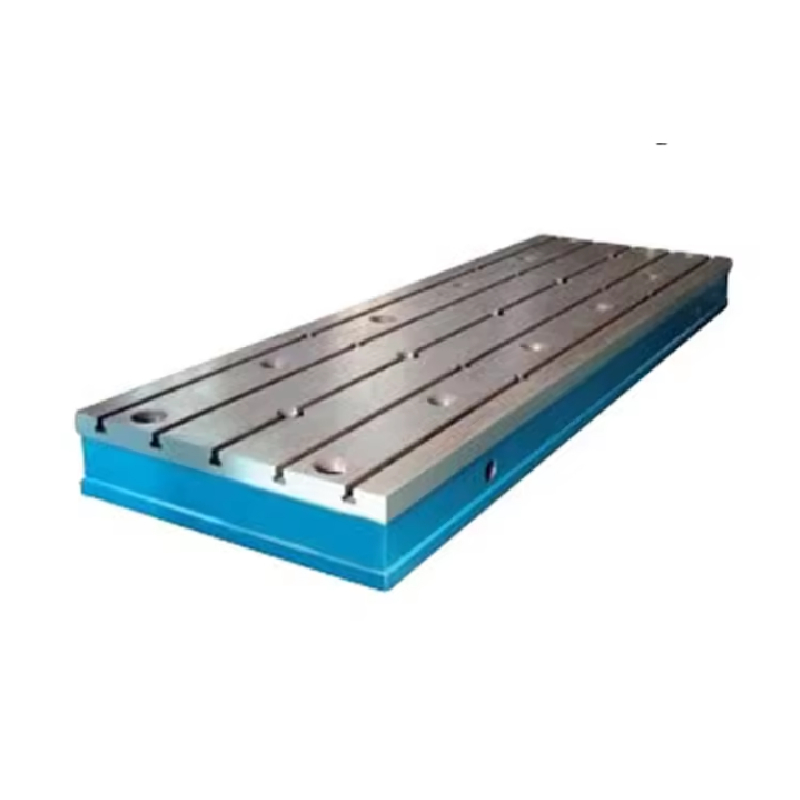
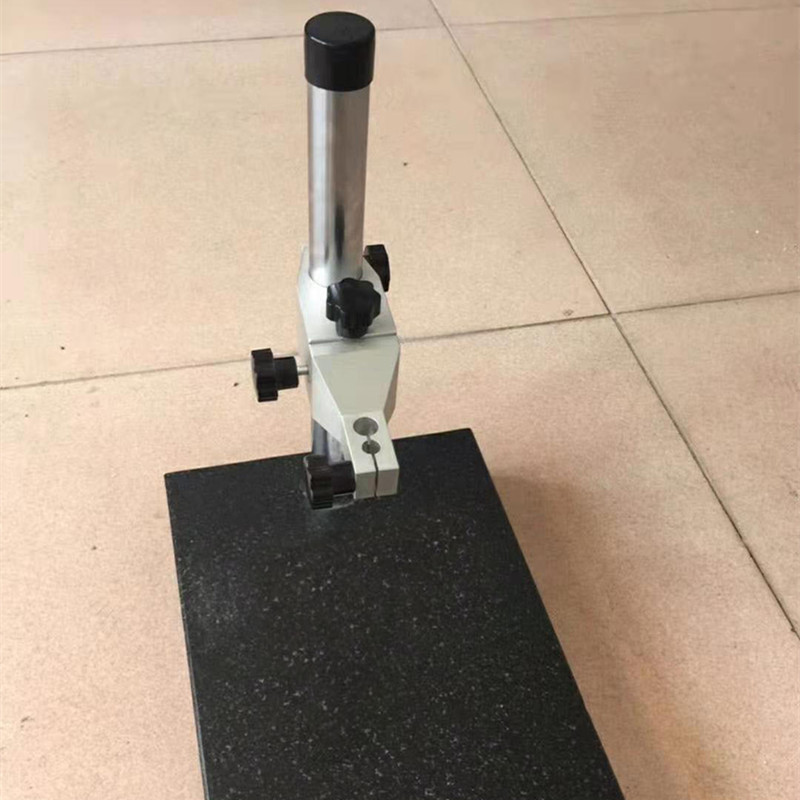
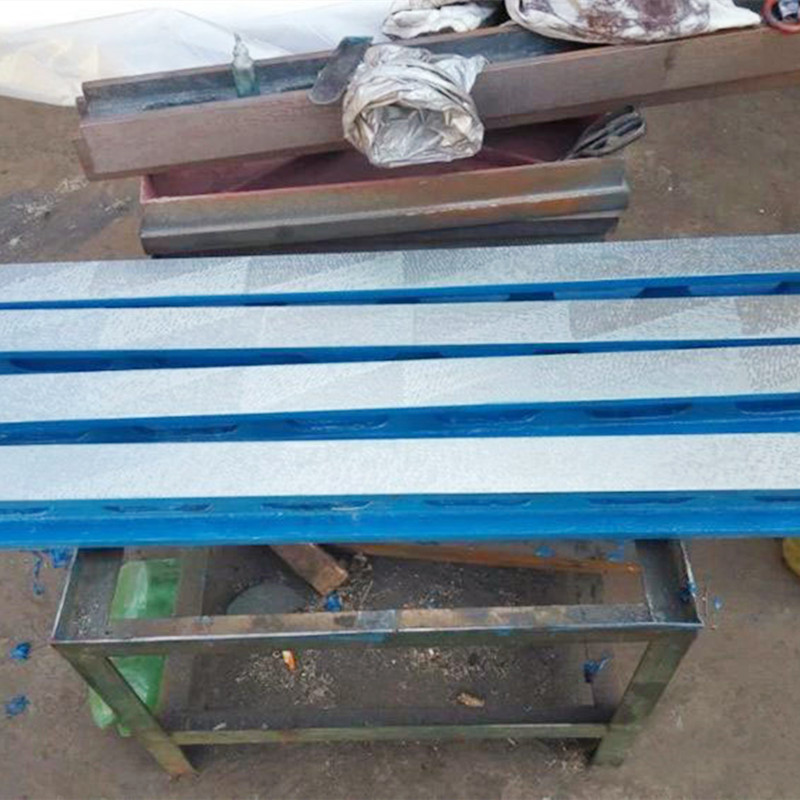
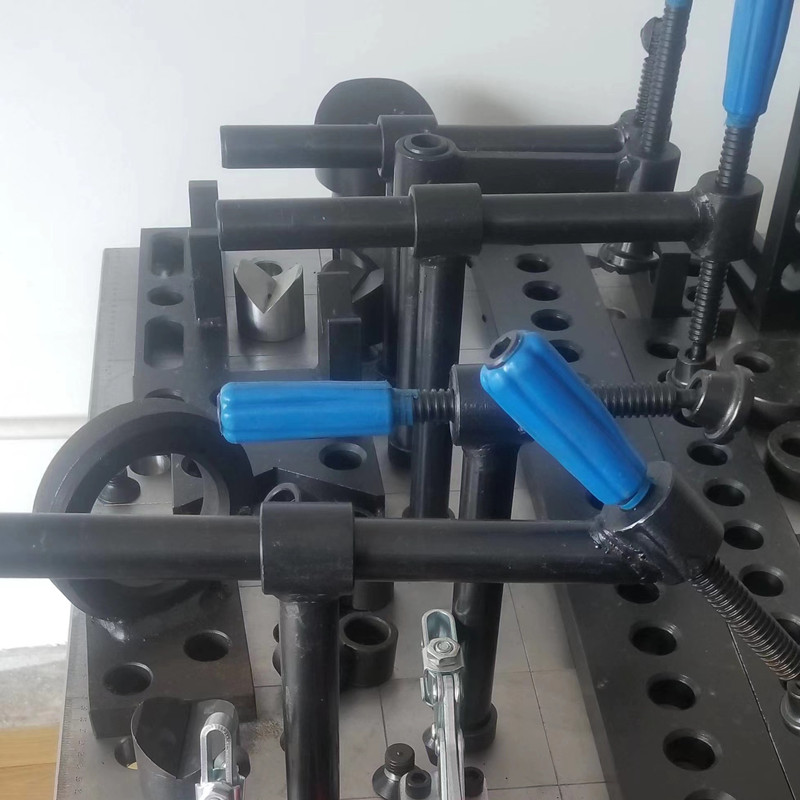
news and information
Válvula de retenção da mangueira de água
Válvula de Retenção para Mangueira de Água Uma Solução Eficiente para o Controle de Fluxo As manguei
vandkontrolventil 3 4
Vandprocent Tjekventil 3/4 En Nødvendighed i VVS-Installationer I enhver VVS-installation er der ele
Válvula de mariposa de 1200 mm para aplicaciones industriales y de control de flujo
Válvula de Mariposa de 1200 mm Eficiencia y Aplicaciones en la Industria La válvula de mariposa es u
 English